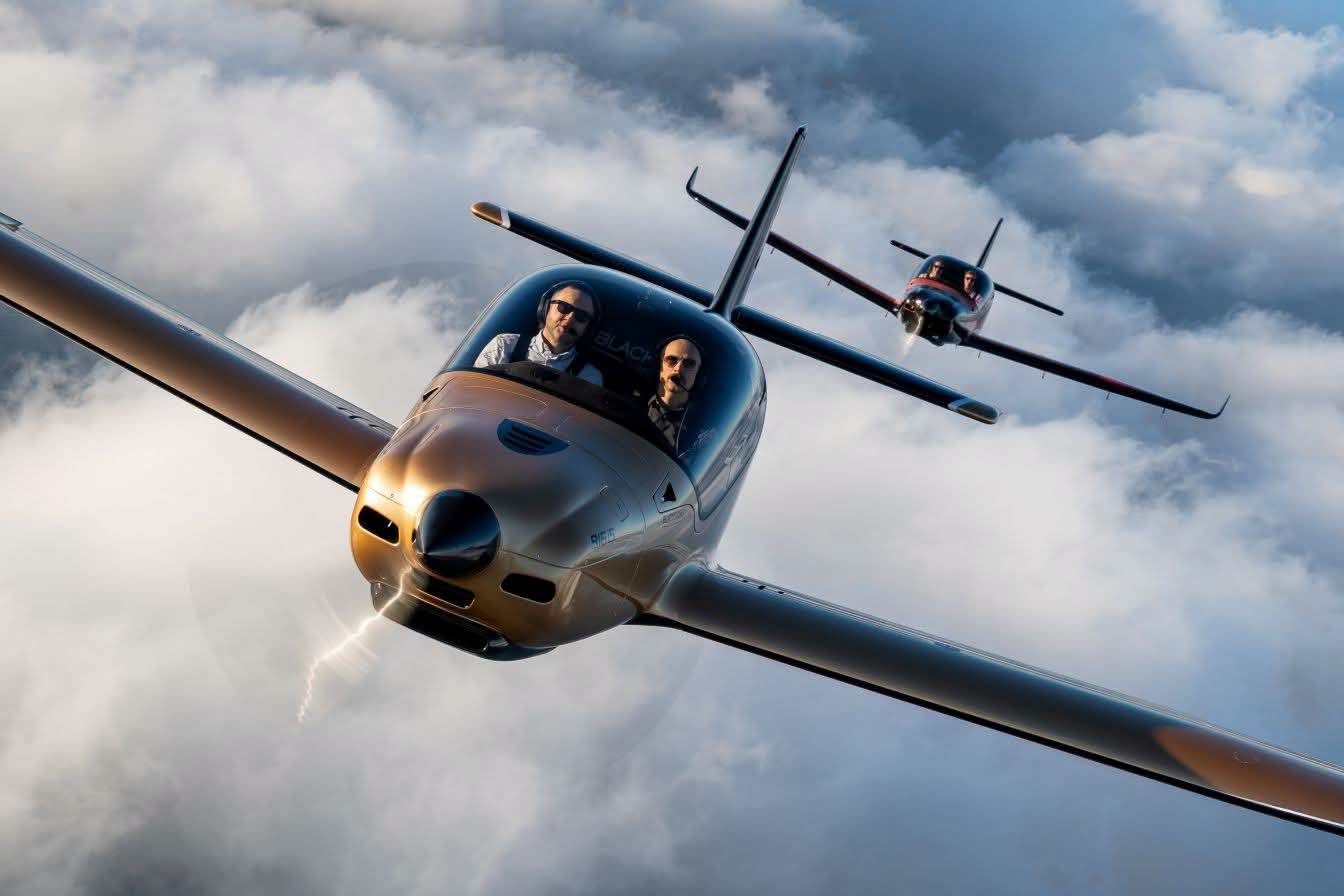
Buying a light sport aircraft is a lot like buying a car, except most banks have no idea what to do with your loan application. LSAs fall into an odd gap: too specialized for a typical auto lender, too small for many aircraft finance desks that prefer six figure turboprops and jets. If you've started shopping for an Evektor Harmony or a used JMB VL3 and hit a wall trying to finance it, you're not alone, and you do have options.
Why LSA Financing Looks Different from a Car Loan
A car loan works because the lender has a deep, liquid market to fall back on if you default. Repossess a Honda Civic and there's a buyer down the street within a week. Light sport aircraft are a thinner market. Fewer lenders specialize in them, appraisals take longer, and the collateral (your aircraft) needs an FAA registered bill of sale and title work that a car title office simply doesn't handle.
That doesn't mean financing is hard to find. It means you're working with a smaller pool of lenders who actually understand aircraft, plus a few structures that don't show up in car buying at all.
Traditional Aircraft Loans
Several banks and credit unions run dedicated aviation lending desks. These loans work much like a traditional secured loan: a down payment (often 15 to 20 percent), a fixed or variable interest rate, and a term that can run anywhere from 10 to 20 years depending on the lender and the age of the aircraft.
The upside is a straightforward, arms length transaction with a regulated lender. The downside is underwriting. Aviation lenders look closely at your total time, your rating, your intended use of the aircraft, and sometimes your net worth. A brand new sport pilot with 40 hours buying their first LSA may find the approval process slower or the rate higher than an experienced pilot adding a second aircraft to a flight school fleet.
Owner Financing
Owner financing (sometimes called seller financing) is exactly what it sounds like: instead of a bank standing between you and the seller, the seller carries the note directly. You put down a percentage of the purchase price, agree on an interest rate and a repayment schedule, and make payments straight to the seller until the balance is paid off.
This structure tends to move faster than a bank loan because there's no separate underwriting department to satisfy, and it's often more flexible on term length and structure. It's common to see owner financed LSA deals set up with a longer amortization schedule for a lower monthly payment, paired with a balloon payment due at an earlier date, giving the buyer time to refinance into a traditional loan, sell, or simply pay off the balance once they've built some equity or cash flow.
At Tyson Aviation Inc., owner financing is available on select aircraft in inventory. Every deal is structured individually around the purchase price, the buyer's down payment, and the term that makes sense for both sides, so terms vary aircraft to aircraft. If you see something in inventory and financing is the only thing standing between you and the aircraft, it's worth a call before you assume it's out of reach.
What Lenders and Sellers Look For
Whether you're financing through a bank or an owner financed deal, a few things matter across the board:
- Down payment. Twenty percent is a common benchmark for LSA purchases, though this varies by lender and by aircraft.
- Pre-purchase inspection. A clean logbook and a fresh pre-buy inspection from an A&P mechanic make an aircraft easier to finance, whether the lender is a bank or the seller themselves.
- Insurance. Hull and liability coverage is typically required for the life of the loan, with the lender or seller named as loss payee until the note is satisfied.
- Title and registration. Any financed aircraft needs its security interest properly filed with the FAA Civil Aviation Registry. This protects both sides and should never be skipped, regardless of who's financing the deal.
A Few Questions Worth Asking Before You Commit
- What's the total cost of the loan over its full term, not just the monthly payment?
- Is there a balloon payment, and if so, what's the plan for covering it when it comes due?
- Who holds title until the loan is paid off, and what happens if a payment is missed?
- Are pre-buy inspections and insurance requirements clearly spelled out in the agreement?
None of these questions should feel awkward to ask. A seller or lender who's structured a fair deal will have straightforward answers to all four.
The Bottom Line
Financing a light sport aircraft doesn't have to mean waiting on a bank that isn't sure what to do with your application. Between dedicated aviation lenders and owner financed deals, there are real paths to ownership that fit a range of budgets and timelines. If you're weighing your options on a specific aircraft, a straight pilot to pilot conversation is usually faster than guessing.
Have questions about financing an aircraft currently listed with Tyson Aviation Inc.? Call Josh directly at 1.407.467.1178 or reach out through the contact page.