If you have been watching the MOSAIC rule from a distance and waiting for the dust to settle, the dust has settled. In November 2025, the FAA released two new advisory circulars that translate the MOSAIC final rule into practical guidance for pilots, instructors, and anyone shopping for aircraft in this category. AC 61-146 covers sport pilot certification, training, and operations. AC 61-65K updates endorsement procedures and certification standards for all pilots and instructors under Part 61. Together they define what flying under MOSAIC actually looks like on the ground.
Here is what changed and why it matters.
No More Weight Limit
The old LSA definition capped aircraft at 1,320 pounds. That number is gone. Under the new framework established by AC 61-146, sport pilot aircraft eligibility is now based on performance and design characteristics rather than gross weight. There is no longer a specified weight ceiling for aircraft a sport pilot may operate, provided the aircraft meets the performance and design requirements of 14 CFR 61.316.
In practical terms, this opens the door to a broader class of certificated aircraft for sport pilot operations, including four-seat airplanes that meet the stall speed and design criteria. The stall speed limit for airplanes is 59 KCAS at maximum certificated takeoff weight. That number matters when you are evaluating whether a specific aircraft qualifies.
Night Flying Is Now on the Table
Sport pilots could not fly at night under the old rules. That has changed. AC 61-146 establishes that sport pilots may now operate at night after completing three hours of night flight training, including one cross-country night flight to an airport at least 25 nautical miles from departure, plus 10 night takeoffs and 10 night landings to a full stop. An instructor endorsement is required, and night operations under sport pilot privileges also require at minimum a third-class medical or BasicMed compliance.
This is a meaningful quality-of-life change for pilots who want flexibility in how and when they fly.
Retractable Gear and Controllable Pitch Props
Sport pilots can now operate aircraft with retractable landing gear and airplanes with manual controllable pitch propellers, both previously off limits. Each requires specific ground and flight training and an instructor endorsement. The AC provides two pathways: meet the complex airplane training requirements of 14 CFR 61.31(e), or receive targeted training in the specific aircraft type and receive an endorsement certifying proficiency.
If you are buying an aircraft with either of these features under sport pilot privileges, budget time and money for this training before you take the keys.
Helicopters Are In
MOSAIC introduced a new helicopter privilege for sport pilots. These helicopters must carry a simplified flight controls designation and meet the performance and design limits of 14 CFR 61.316. To earn the privilege, a sport pilot must log at least 30 hours of helicopter flight time, including 15 hours of flight training and 5 hours of solo. A practical test is required, not a proficiency check.
Simplified flight controls is a new aircraft designation created by MOSAIC. Aircraft in this category rely on automation rather than traditional hand-flying inputs to manage flight path and power. Any pilot seeking to act as PIC in one of these aircraft, regardless of certificate grade, must receive model-specific training and a logbook endorsement before flying it.
What Changed in AC 61-65K
AC 61-65K, which replaces the previous version 61-65J, is the primary reference document for endorsements and certification procedures under Part 61. The MOSAIC-driven changes in Revision K are directly relevant to sport pilots and include new sample endorsements for night operations, retractable landing gear, and controllable pitch propeller privileges. The term "light-sport aircraft" has been removed throughout the document, replaced with "aircraft" to reflect MOSAIC's shift away from the old LSA definition. Simplified flight controls training requirements and endorsements are also addressed in detail.
For instructors, the updated endorsement language in Appendix A is the practical reference for documenting all of the new privileges correctly.
What This Means for Aircraft Buyers Right Now
If you are shopping for a light sport or MOSAIC-eligible aircraft, these circulars confirm that the rule is live and the training infrastructure is being built around it. The expanded aircraft eligibility, new night privileges, and additional operational capabilities all add real value to aircraft in this category, both for current owners and buyers evaluating their options.
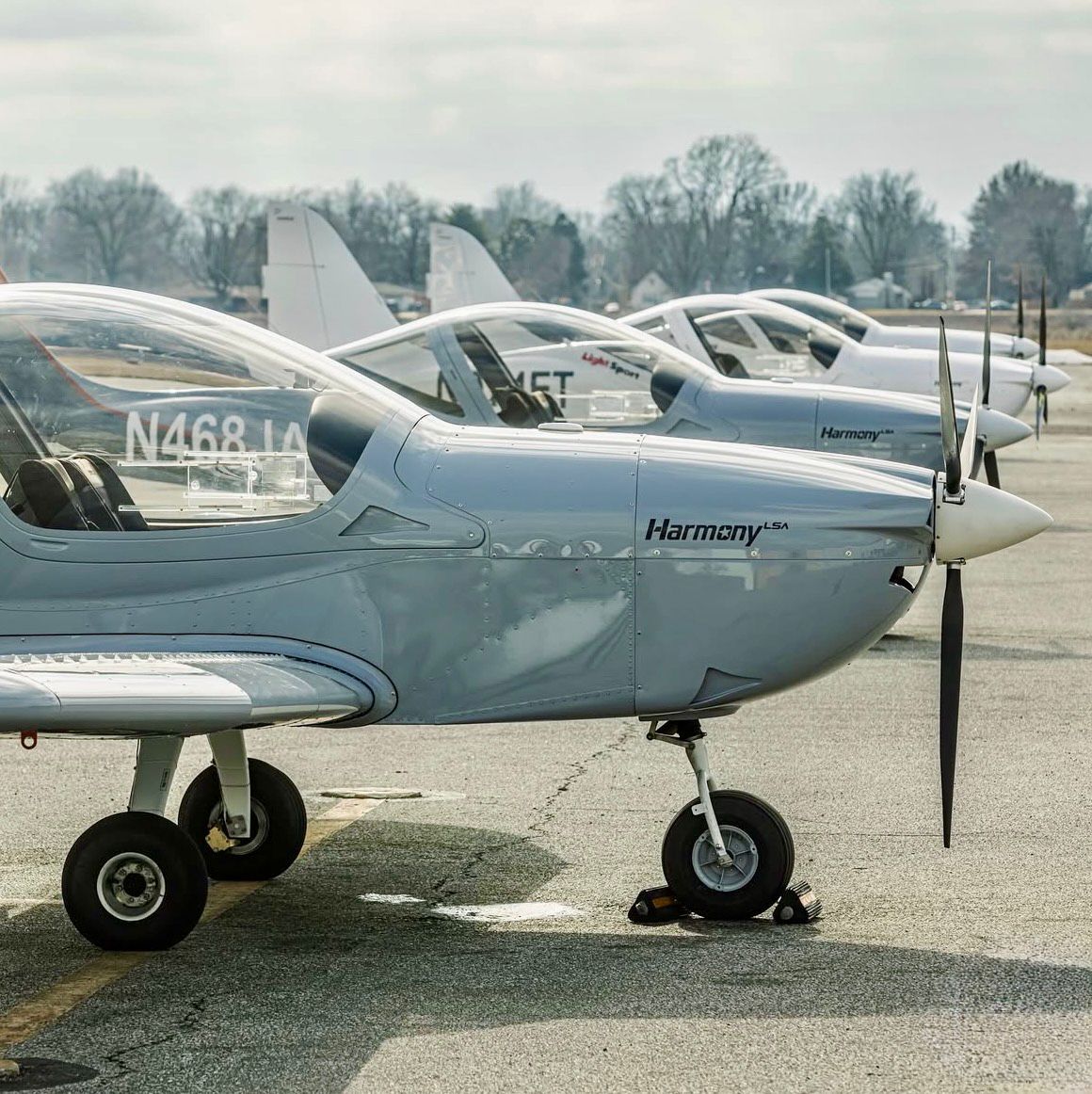
The Evektor Harmony NG is designed from the ground up for the MOSAIC environment. If you are trying to understand how a specific aircraft fits the new framework, or what a pre-buy should look like under these updated standards, we are glad to walk through it with you.
Reference Documents
AC 61-146: Sport Pilot Certification and Operations
AC 61-65K: Certification: Pilots and Flight and Ground Instructors