Phase 2 of MOSAIC is now law, and most of the conversation around it has been about what pilots are newly allowed to fly. That part is exciting. But once a buyer actually starts shopping, the more useful question is not "what qualifies," it is "what does each path actually cost me, and what am I trading to get there."
MOSAIC replaced the old 1,320 pound weight cap with a stall speed test. If an airplane has a clean stall speed at or below 59 knots calibrated airspeed, a sport pilot can fly it. That single change opened the door to a large slice of the existing general aviation fleet, alongside a new wave of purpose built aircraft designed around that same threshold from day one.
Two very different airplanes, same privileges. The buyer's job is figuring out which route actually fits.
The Legacy Route
A lot of familiar airplanes now qualify under the new rule. Certain Cessna 172s, 182s, and Piper Cherokee/Archer variants meet the stall speed limit and keep their standard airworthiness certificates, no conversion to special light sport required. Eligibility still depends on the specific year and configuration, so this is not a blanket "any 172 qualifies" situation, but the population of eligible airframes is large.
The appeal here is straightforward. These aircraft have been on the used market for decades. Pricing is well established, parts availability is mature, and mechanics who know the type are not hard to find. In our own inventory, qualifying legacy LSAs like the Czech SportCruiser and JMB VL-3 have moved in the $107,500 to $199,900 range depending on year, engine time, and equipment, a real reflection of what buyers are actually paying today rather than a theoretical figure. Financing follows the same pattern. A legacy airframe is a known asset to a lender. Airframe age, engine time since overhaul, and damage history drive the underwriting conversation the same way they always have. There is nothing new for a bank to figure out.
The tradeoff is that you are buying an older airplane. Useful load, avionics, and fuel efficiency reflect design decisions made half a century ago, not this year.
The New Build Route
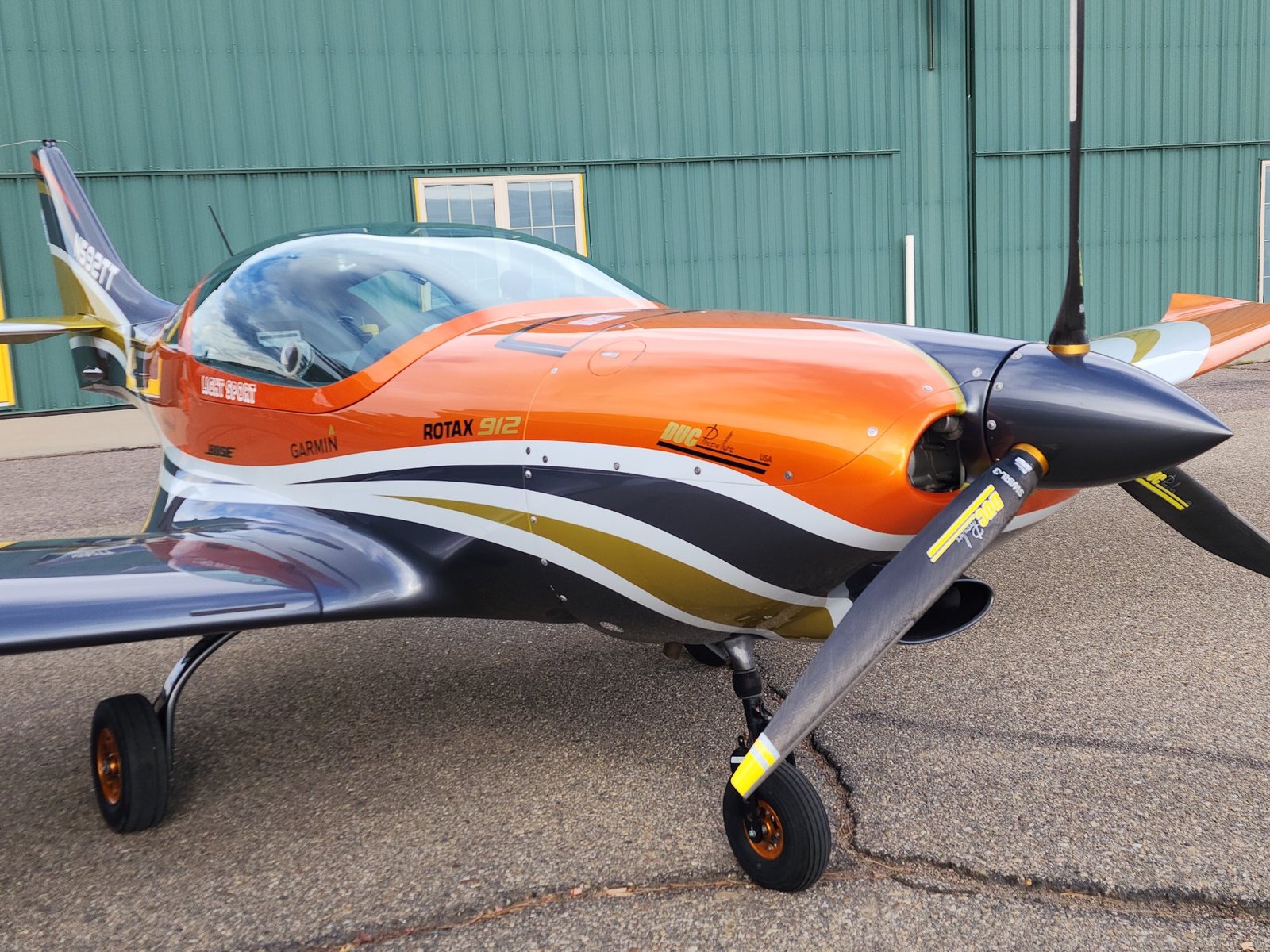
The other path is the wave of aircraft engineered from the outset to hit the 59 knot threshold. These are clean sheet designs, and they are priced like it. As the authorized Evektor representative, our own Harmony aircraft in inventory illustrate the range: N987TB, a 2025 model, is listed at $259,900 OBO, while N111WT carries owner financing at $285,990. That is a meaningful step up from what a legacy SportCruiser or VL-3 costs, and it is worth knowing that going in rather than discovering it mid negotiation.
None of that premium is arbitrary. A new build MOSAIC aircraft typically comes with a modern glass panel, a fuel efficient Rotax powerplant, a useful load well above what the old 1,320 pound LSA cap ever allowed, and a factory warranty an older airframe simply cannot offer. The Harmony NG is a good example of what that premium buys going forward: a 125 pound increase in useful load over the outgoing model, an optional constant speed prop, and a Garmin G3X glass panel built into the design from the start rather than retrofitted later.
The financing conversation looks different here too, and it is worth knowing that going in. New production MOSAIC aircraft are a newer asset class. Lenders are still building the loss history and resale value assumptions that make underwriting straightforward on an older airframe. That does not mean financing is unavailable, but expect the terms and the process to feel less settled than what you would encounter financing a 172.
What This Actually Means When You Are Shopping
Neither path is the "correct" one. They are different trades.
Go legacy and you get a lower entry price and a financing product your lender has seen a thousand times, in exchange for older equipment and a smaller useful load margin. Go new build and you get modern capability, a warranty, and a useful load that changes what you can actually carry, in exchange for a materially higher purchase price, a production wait, and financing terms that are still being priced by a market that has not fully caught up yet.
If you are weighing a used SportCruiser or VL-3 against something like the Harmony NG, this is really the entire decision. It is not about which airplane is "better." It is about which side of that tradeoff fits your budget, your timeline, and how much you value walking away with a factory warranty versus walking away with cash still in your pocket.
That is exactly the kind of conversation worth having before you commit to either path, not after. If you are trying to figure out where you land on that tradeoff, reach out and we can talk through what actually makes sense for your mission and your budget.