For years, the Light Sport Aircraft category was defined by a set of rules written in 2004 — rules that capped speeds, weights, and capabilities in ways that made sense at the time but increasingly felt like a ceiling on a category with enormous potential. That ceiling is coming off.
The FAA's MOSAIC rule (Modernization of Special Airworthiness Certificates) changes the game. Phase 2 — including Part 22 certification — takes effect July 24, 2026, and the impact on what you can fly, how you fly it, and who can fly it is substantial.
What MOSAIC Actually Changes
The headline numbers tell the story. Under MOSAIC, the maximum gross weight for a light sport aircraft from 1,320 lbs, has been removed. That opens the door to a much wider class of aircraft — including retractable-gear planes and high-performance trainers that were previously out of reach for Sport Pilots.
Stall speed limits are being replaced by a more flexible performance envelope, and the new rules explicitly allow for more sophisticated avionics, autopilots, and airframe features. We're talking about aircraft that would have been unthinkable in the LSA category a few years ago.
The Sport Pilot certificate itself becomes far more useful. Flying privileges expand, and the aircraft you're eligible to fly on that certificate grow dramatically. For pilots who've been reluctant to pursue a full Private, or who want a streamlined path back into the cockpit, MOSAIC is a compelling reason to move now.
The Harmony NG Is Built for This Moment
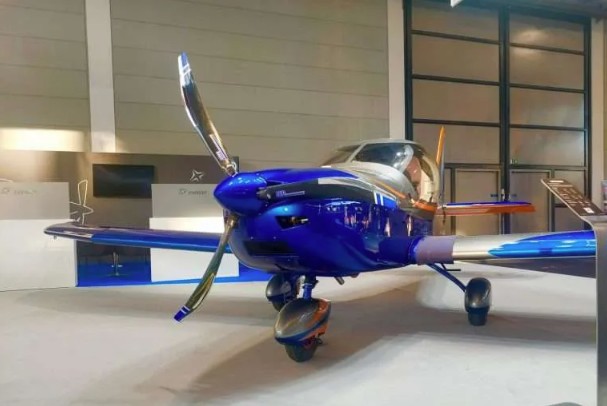
The Evektor Harmony NG isn't a response to MOSAIC — it was designed alongside it. Evektor engineers built the Harmony NG knowing where the rules were heading, and the result is an aircraft that fits the new framework perfectly while delivering performance and comfort that rivals much more expensive options.
Composite construction. Rotax 915iS power (141 hp). Full Garmin G3X avionics suite. Side-by-side seating with a cabin that doesn't feel like an afterthought. The Harmony NG is the aircraft you'd design if you were starting fresh with the MOSAIC ruleset in hand.
At $350,000, it's priced well below comparable Part 23 certified aircraft with similar capabilities — and ownership costs reflect that. Annuals are simpler. Avgas or mogas. No surprises.
The Timing Argument
July 24, 2026 isn't far away. Aircraft ordered today can be positioned for delivery as MOSAIC goes fully into effect, meaning buyers get the aircraft and the expanded privileges at the same time. Waiting means being behind the wave instead of riding it.
There's also a market timing argument. As MOSAIC awareness grows, demand for aircraft that qualify under the new rules will increase. The pilots and flight schools who move early will have their pick of inventory and delivery slots. That window narrows as the rule date approaches.
Who Should Be Looking at This
If you're in any of these buckets, MOSAIC and the Harmony NG deserve serious attention:
- Private pilots looking to right-size to a more economical, modern aircraft
- Sport Pilots who want expanded access and capability without a full medical
- Flight schools building out a modern primary training fleet
- Lapsed pilots looking for a low-friction re-entry path
- First-time buyers who want new, capable, and supportable
The LSA category has always made sense for the right buyer. MOSAIC makes that buyer pool much, much larger.
Come See It at Sun 'n Fun
Tyson Aviation will be sharing the Evektor booth at Sun 'n Fun in Lakeland, April 14–19. If you want to see the Harmony NG in person, talk through the MOSAIC timeline, or discuss what aircraft ownership looks like for your situation, come find us on the flight line.
You can also reserve a Harmony NG now — slots are limited ahead of the July rule date.