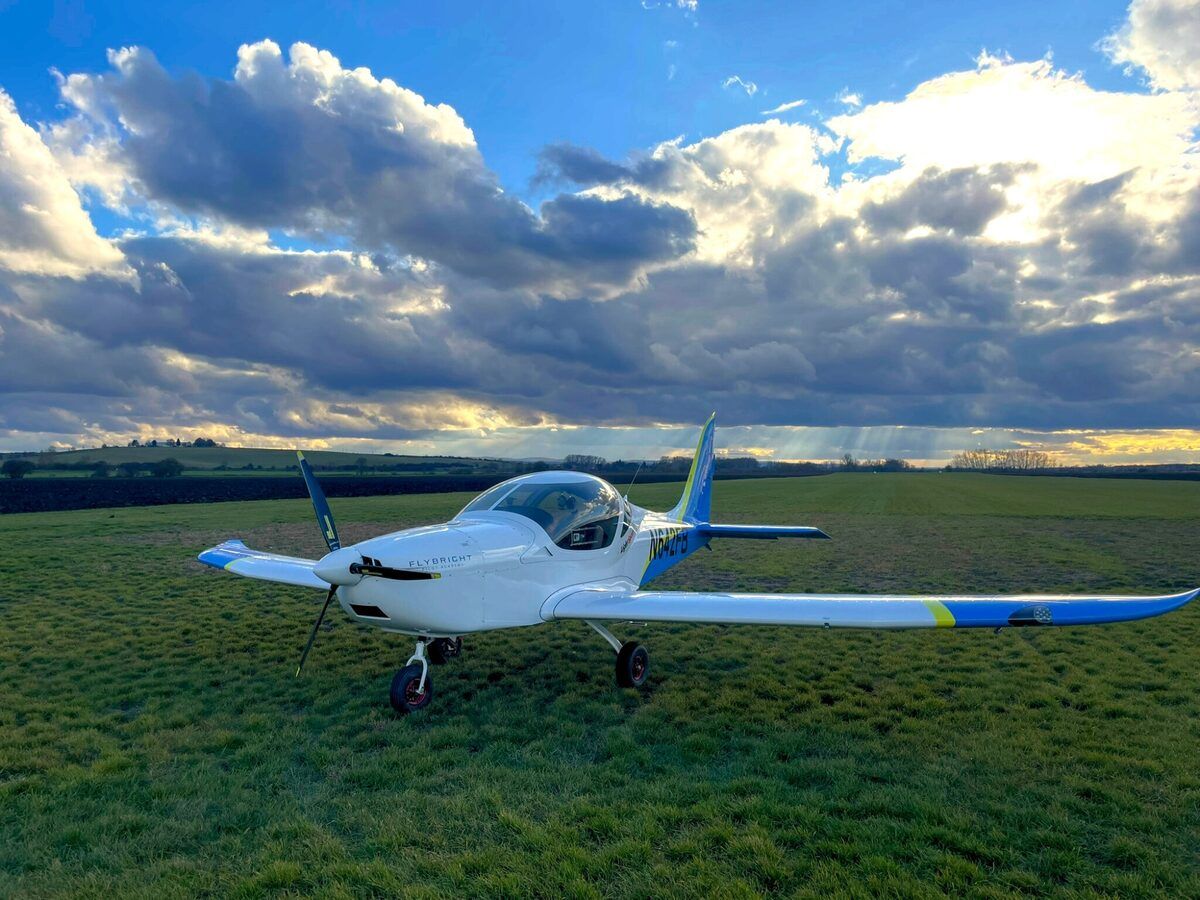
Flight schools are squeezed from every direction. Fuel prices fluctuate. Maintenance costs on aging trainers keep climbing. Finding qualified CFIs who can legally instruct in your aircraft grows harder every year. And meanwhile, a massive wave of prospective pilots, recreational fliers, remote pilots wanting a certificate, retirees finally chasing a lifelong dream, is sitting just outside the door.
MOSAIC Light Sport Aircraft aren't just a regulatory update. For flight school operators who run the numbers, they represent one of the clearest ROI opportunities the training market has seen in a generation.
The Cost Structure Is Fundamentally Different
Let's start with the airplane itself. A new Evektor Harmony NG, a modern, glass-panel, all-metal airplane, comes in at a fraction of the acquisition cost of a new Cessna 172 or Piper Archer. Depreciation is lower. Insurance premiums on LSA are typically lower. And the operating economics tell the real story.
Modern LSA typically burn 4 to 5 gallons per hour at cruise. Compare that to the 8–9 GPH a Skyhawk burns in the pattern. At current avgas prices, that difference adds up to hundreds of dollars per month on a single aircraft, and thousands per aircraft, per year, at any meaningful utilization rate.
Maintenance costs are similarly favorable. LSA operate under ASTM consensus standards, which allow owner-assisted maintenance and, in many cases, simpler inspection protocols than 14 CFR Part 23 aircraft. That doesn't mean cutting corners, it means your maintenance overhead doesn't balloon the way it does on aging certificated trainers.
The CFI Pool Just Got Bigger
One of the most underappreciated benefits of MOSAIC is what it does to instructor availability. Under the legacy Sport Pilot rule, many experienced instructors who had let medicals lapse were effectively sidelined from LSA instruction. MOSAIC expands the operating envelope of Light Sport Aircraft significantly, faster cruise speeds, higher gross weights, more configurations, while retaining driver's-license-medical eligibility for Sport Pilots.
That means the universe of instructors who can legally and comfortably instruct in these aircraft continues to grow. For a school struggling to staff up, that flexibility is real operational value.
The Student Funnel Is Wider Than You Think
The FAA estimates there are over 600,000 active Part 107 drone pilots in the United States. A meaningful percentage have expressed interest in manned flight. The Sport Pilot certificate is a natural bridge: fewer hours required than Private Pilot (20 minimums vs. 40), no third-class medical required, and modern LSA that fly like the sophisticated aircraft they are.
Add to that the aging population of certificated pilots looking to stay current without maintaining a third-class medical, recreational fliers who never wanted an instrument rating, and a general public that finds the cost of a Private certificate prohibitive — and you have a large, underserved training market that LSA are purpose-built to serve. Every one of those students generates revenue at lower per-flight operating cost than a traditional trainer.
A Simple Break-Even Model
Consider a school adding a single LSA to its fleet at a wet rental rate of $160/hour — competitive with or below 172 rates in most markets.
- Annual revenue at 660 hours (55 hrs/month): $105,600
- Fuel (4.5 GPH × $7.00 × 660 hrs): $20,790
- Annual maintenance reserve: $8,000
- Insurance: $4,500
- Total direct operating costs: ~$33,290
- Contribution margin: ~$72,310
Finance a $299,000 Harmony NG over 10 years and the monthly payment is approximately $2,800–$3,200 depending on rate. At 55 hours per month, or roughly two hours of flight time per day, this airplane cash-flows positively and generates over $72,000 in annual contribution margin. That's a compelling return on a purpose-built, modern trainer.
The MOSAIC Timing Advantage
The FAA's final MOSAIC rule under Part 22 is targeted for implementation in 2026. Schools that get ahead of this, that have an LSA in the fleet, instructors checked out, and are marketing to the Future Pilot demographic now, will have a first-mover advantage in their markets.
The Evektor Harmony NG was designed with MOSAIC in mind. It's not a legacy LSA that will need to be replaced or modified. It's a purpose-built aircraft for the post-MOSAIC world, with the performance envelope to match.
The Bottom Line
Flight schools don't grow by doing what every other school is doing. The economics of MOSAIC Light Sport Aircraft, lower acquisition cost, lower operating cost, broader instructor eligibility, and access to a wider student market, present a genuine opportunity to diversify revenue, improve margins, and serve a segment of the pilot population that the industry has chronically underserved.
The numbers support it. The regulatory environment is moving in the right direction. And the aircraft are here now.
Tyson Aviation is the authorized Evektor representative for the Southeast United States. If you're a flight school operator who wants to model the specific numbers for your operation, we'd be glad to work through it with you. Contact us here or visit harmonyng.tysonfly.com to learn more about the Harmony NG and current reservation pricing.