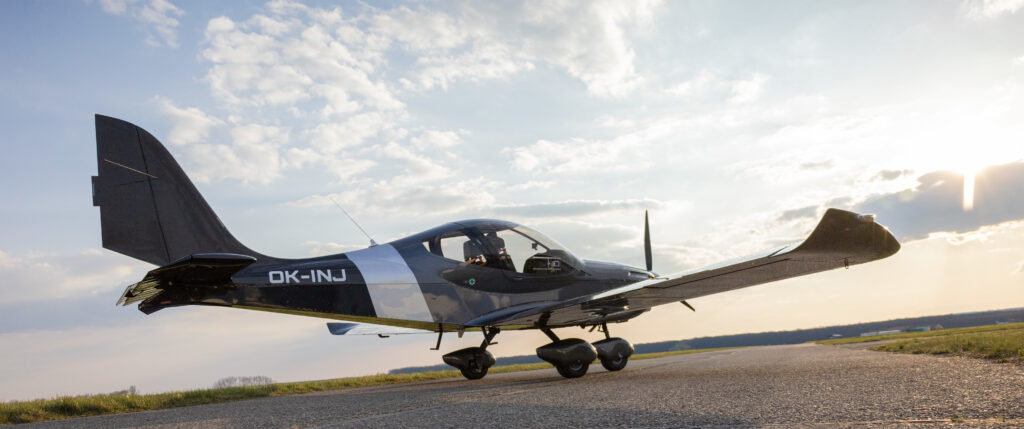
The light sport aircraft market has matured considerably over the past decade. Where early LSA were often underpowered, cramped, and built to a price point, today's top manufacturers are delivering composite airframes with glass cockpits, modern avionics, and performance numbers that would have seemed ambitious for a certificated trainer just a few years ago.
But the market is also crowded. There are dozens of LSA models available, a wide range of price points, and varying levels of factory support, parts availability, and resale value. Whether you are a flight school operator building out a training fleet or an individual pilot looking for a personal aircraft, the buying decision deserves serious due diligence.
Here are the seven factors that matter most.
1. Airframe Quality and Construction
The majority of competitive LSA are built from composite materials, which offer excellent strength to weight ratios, smooth aerodynamic surfaces, and resistance to corrosion. Not all composites are equal, however. Ask about the manufacturing process, the country of origin, and whether the factory holds any independent quality certifications.
Inspect the fit and finish closely. Panel gaps, canopy seals, and control surface alignment are visible indicators of build quality that translate directly to long term maintenance costs and resale value. A well built airframe will hold its value. A cheaply constructed one will not.
2. Avionics and Cockpit Modernization
For flight training applications, the cockpit environment matters enormously. Students who train on glass panel avionics transition more naturally into modern general aviation aircraft and are better prepared for the direction the industry is heading.
Look for integrated glass displays, moving map GPS, and ideally an autopilot option. The Garmin G3X ecosystem has become a de facto standard in the LSA segment and offers strong familiarity for students who will eventually transition to larger aircraft. Confirm that avionics updates are straightforward and that the aircraft can accept current generation hardware without a full panel overhaul.
3. Engine Reliability and Parts Availability
The engine is the single most maintenance intensive component in any aircraft. In the LSA segment, Rotax dominates for good reason. The Rotax 912 and 915 series engines have an established global service network, well documented TBO intervals, and a long track record in training environments.
Be cautious about LSA equipped with proprietary or less common powerplants where parts availability is uncertain and specialized knowledge is required for maintenance. In a training fleet context, downtime is lost revenue. Engine selection has a direct impact on dispatch reliability.
4. Factory Support and Authorized Service Network
This is one of the most overlooked factors in the LSA buying decision and one of the most important. Who backs the aircraft after the sale?
A manufacturer with a strong authorized dealer and service network means faster parts procurement, factory trained maintenance personnel, and someone to call when something unusual comes up. Manufacturers who sell aircraft without a meaningful support infrastructure leave operators on their own when problems arise.
Ask specifically about parts lead times, factory warranty terms, and how many authorized service centers exist within a reasonable distance of your operation.
5. Performance Envelope and Training Utility
Under the existing Sport Pilot rule, LSA were capped at 120 knots indicated airspeed and 1,320 pounds gross weight. MOSAIC changes that significantly, opening the door to aircraft with higher cruise speeds, greater useful load, and expanded configuration options including retractable gear and constant speed propellers.
For a training fleet, useful load matters. A two seat LSA that can carry a 200 pound instructor and a 220 pound student with full fuel, plus training materials and a headset bag, is a practical aircraft. One that forces weight and balance compromises on every flight is a liability.
Evaluate the aircraft against the actual population of students and instructors who will be flying it, not just the spec sheet numbers.
6. Resale Value and Market Demand
LSA depreciate differently than certificated aircraft. Established brands from reputable manufacturers with strong dealer networks hold their value meaningfully better than lesser known models with thin resale markets.
Before purchasing, research actual transaction prices for comparable aircraft that are two, three, and five years old. The spread between new and used pricing tells you how the market values that airframe over time. A lower acquisition cost that comes with steep depreciation may not represent the value it appears to at first.
7. Total Cost of Ownership
Purchase price is the number that gets attention. Total cost of ownership is the number that determines whether the acquisition makes financial sense.
Factor in annual inspection costs, expected engine reserves, avionics update cycles, insurance, hangar or tiedown, and the cost of any mandatory factory service bulletins. A well supported modern LSA from a reputable manufacturer will have predictable, manageable ownership costs. An aircraft with an uncertain parts supply chain or a manufacturer that has exited the market will not.
Run a five year cost model before you buy, not a one year model.
The Harmony NG Checks Every Box
Evektor has been manufacturing light sport aircraft since 2004. The Harmony NG represents the current generation of that lineage: full composite construction, Garmin G3X glass panel, Rotax 912iS powerplant, and a factory support structure backed by Tyson Aviation as the authorized Southeast US representative.
It was designed from the ground up with MOSAIC in mind, which means it is not a legacy aircraft being retrofitted for a new regulatory environment. It is purpose built for where the market is going.
If you are evaluating LSA for a training fleet or personal acquisition and want to work through the numbers specific to your operation, we are glad to help.
Contact Tyson Aviation at tysonfly.com/contact to start the conversation.